
Does Your Business Need Hired and Non-Owned Auto Insurance in Arizona?
Your business could face liability from a vehicle accident even if it doesn’t own the vehicle involved.
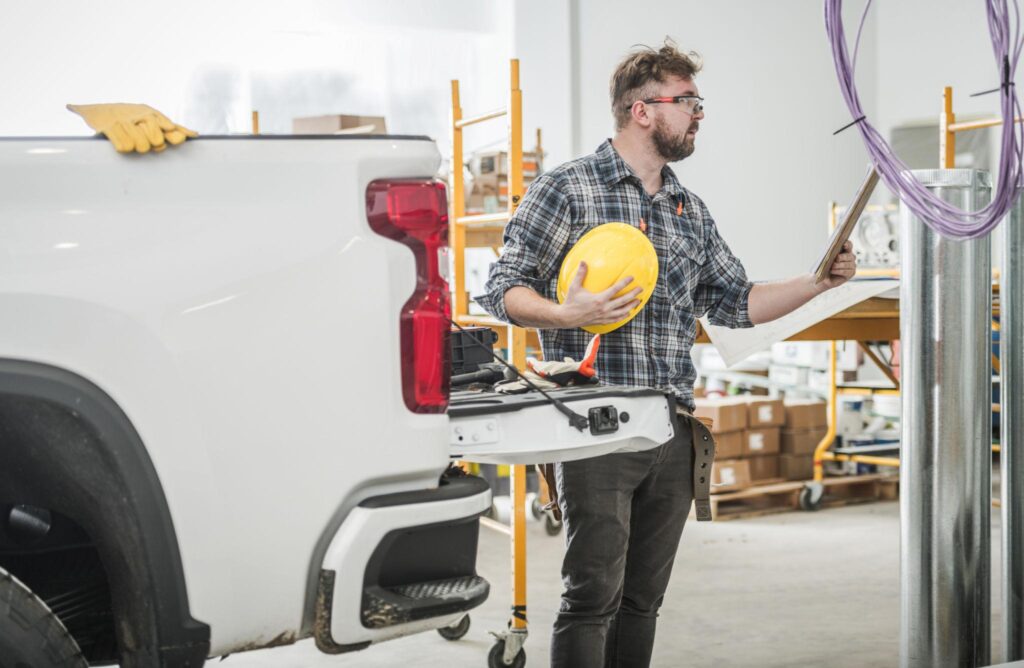
Imagine you own a plumbing company in Mesa, Arizona. One of your employees uses their personal pickup truck to collect supplies from a hardware store. On the way back to a jobsite, the employee causes an accident that injures another driver.
The pickup belongs to your employee, not your business.
Could the injured driver still pursue a claim against your company?
Yes. Depending on the circumstances, your business could face liability for an accident involving an employee’s personal vehicle.
This is one reason Arizona businesses should understand hired and non-owned auto insurance, commonly abbreviated as HNOA.
The coverage can help protect businesses against certain auto liability claims involving vehicles they rent, hire, or don’t own.
What Is Hired and Non-Owned Auto Insurance?
Hired and non-owned auto insurance provides liability protection for certain business-related accidents involving vehicles the company doesn’t own.
The two coverages address different situations.
Hired auto liability insurance generally applies to eligible vehicles a business rents, hires, leases, or borrows.
Non-owned auto liability insurance generally addresses the business’s liability exposure involving vehicles it doesn’t own, hire, or borrow, such as an employee’s personal vehicle used for company business.
For example:
- An electrical contractor rents a pickup for a temporary project.
- A plumbing employee uses their personal car to pick up materials.
- An HVAC company rents a cargo van while its regular vehicle is being repaired.
- A business owner asks an employee to drive their own vehicle to a customer appointment.
These situations can create liability exposures that aren’t necessarily addressed by the business’s existing insurance.
HNOA coverage is intended to help address certain of those exposures, subject to the policy’s terms and exclusions.
Hired Auto vs. Non-Owned Auto: What’s the Difference?
| Situation | Coverage to evaluate |
|---|---|
| Business rents a truck for a project | Hired auto liability |
| Company leases an eligible vehicle | Hired auto liability, depending on the arrangement |
| Employee uses their personal car for a company errand | Non-owned auto liability |
| Employee drives their own pickup between jobsites | Non-owned auto liability |
| Business owns a work truck | Owned commercial auto coverage |
| Employee damages their personal car during a business errand | Employee’s applicable auto physical damage coverage; non-owned auto liability generally doesn’t repair it |
Do your employees drive personal vehicles for work? We can help Arizona businesses review their auto liability coverage. Request a Quote.
The distinction matters because a business may need one or both coverages depending on how it operates.
For example, a company that never rents vehicles but frequently sends employees on errands in their personal cars may have a non-owned auto exposure without much hired auto exposure.
Does Your Business Need Non-Owned Auto Insurance if Employees Use Their Own Cars?
It’s worth evaluating whenever employees use personally owned vehicles for company business.
Consider an Arizona electrical contractor with five employees.
The business owns two service vans, but employees occasionally use their personal vehicles to:
- Pick up electrical materials
- Visit customers
- Travel between jobsites
- Attend meetings
- Deliver small equipment
- Perform company errands
Even though those vehicles aren’t owned by the electrical business, accidents occurring during work-related driving can create liability for the employer.
An employee’s personal auto insurance may provide some protection, depending on the policy and vehicle use.
However, the employee’s policy doesn’t necessarily provide adequate protection for the business itself.
Non-owned auto liability insurance may help address certain covered claims against the company.
What Happens if an Employee Causes an Accident in Their Personal Vehicle?
Suppose an HVAC company in Phoenix asks an employee to drive their personal SUV to a supplier.
The employee causes an accident that results in injuries and property damage.
Several insurance and liability questions may arise:
- Does the employee’s personal auto policy cover the accident?
- Was the employee acting within the scope of employment?
- Could the business be held legally responsible?
- Does the business have non-owned auto liability coverage?
- What policy limits and exclusions apply?
An employee’s personal auto insurance is often an important initial source of coverage, but the order in which policies respond depends on the applicable contracts and circumstances.
Non-owned auto liability coverage is commonly structured to protect the business on an excess basis over other applicable insurance.
The important point is that the employee’s personal auto insurance and the employer’s liability exposure are not necessarily the same thing.
Does General Liability Insurance Cover Employees Driving Their Own Vehicles?
Business owners sometimes assume their general liability policy will protect them from any accident involving company operations.
That assumption can be problematic.
Commercial general liability policies generally contain exclusions addressing bodily injury and property damage arising from the ownership, maintenance, use, or entrustment of automobiles, subject to specific policy provisions and exceptions.
As a result, general liability insurance should not be assumed to replace hired and non-owned auto liability coverage.
A business may have general liability insurance and still face an auto-related liability exposure involving employee-owned or rented vehicles.
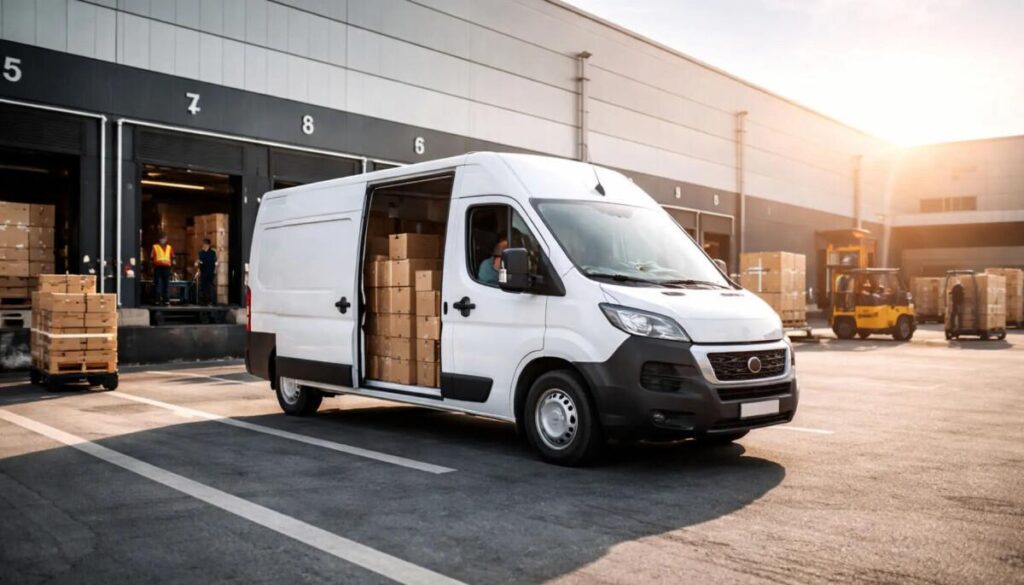
What Is Hired Auto Insurance for a Rental Truck or Van?
Hired auto liability coverage can help protect a business against certain liability claims arising from eligible rented, hired, leased, or borrowed vehicles.
For example, imagine an Arizona contractor needs an additional pickup truck for a two-week construction project.
Rather than purchasing another vehicle, the company rents a truck.
If an authorized employee causes an accident while operating the rental for business purposes, hired auto liability coverage may help protect the company against covered liability claims.
However, the rental agreement, the identity of the renter, vehicle type, and insurance policy terms all matter.
Businesses should review coverage before renting vehicles rather than assuming every rental is automatically insured.
Does Hired and Non-Owned Auto Insurance Cover Damage to the Vehicle?
Hired and non-owned auto liability insurance generally does not automatically cover physical damage to the vehicle being driven.
This is an important distinction.
For example:
- An employee damages their personal pickup while running a company errand.
- A contractor crashes a rented cargo van.
- An employee backs a rental truck into a concrete barrier.
HNOA liability coverage primarily addresses certain third-party liability claims.
Physical damage to an employee-owned vehicle is generally a separate insurance consideration.
For rented vehicles, hired auto physical damage coverage may be available separately, depending on the insurer and policy.
Businesses should also review rental agreements, deductibles, exclusions, and any insurance offered by the rental company.
Can a Business Get Hired and Non-Owned Auto Insurance Without Owning Vehicles?
Yes, depending on insurer eligibility.
This is one of the most useful features of the coverage.
A company doesn’t necessarily need to own a commercial vehicle to have an auto liability exposure.
For example, consider a small Arizona consulting business.
The company has no business-owned cars or trucks, but employees occasionally use their personal vehicles to visit customers.
The business may still want to evaluate non-owned auto liability coverage.
HNOA may be available through an endorsement to an eligible businessowners policy, commercial auto policy, or another insurance arrangement, depending on the insurer.
Standalone options may be more limited.
What Types of Arizona Businesses Should Consider HNOA Coverage?
Hired and non-owned auto insurance isn’t limited to trucking companies or businesses with fleets.
It may be relevant to:
- Plumbing contractors
- HVAC contractors
- Electrical contractors
- General contractors
- Landscaping businesses
- Property management companies
- Professional service businesses
- Retail businesses
- Other employers whose workers use personal or rented vehicles for business
The important factor is not simply the industry.
It’s whether vehicles the business doesn’t own are being used for company purposes.
A company with no owned vehicles could have meaningful non-owned auto exposure, while another business with several insured work trucks might rarely use hired or non-owned vehicles.
Does Hired and Non-Owned Auto Insurance Cover Independent Contractors?
Coverage involving independent contractors can be more complicated.
The fact that a driver is classified as an independent contractor doesn’t automatically establish whether the business has liability or whether a particular insurance policy applies.
Relevant factors may include:
- The relationship between the parties
- Who controls the work
- Who owns or rents the vehicle
- The business activity being performed
- Contractual responsibilities
- Applicable policy definitions and exclusions
Businesses that regularly use subcontractors or independent drivers should explain those arrangements to their insurance agent.
Certain transportation, delivery, and for-hire operations may require specialized underwriting or coverage.
How Much Does Hired and Non-Owned Auto Insurance Cost in Arizona?
There is no single standard price.
Insurance companies may evaluate factors such as:
- Type of business
- Number of employees who drive
- Frequency of non-owned vehicle use
- Types of vehicles used
- Rental vehicle exposure
- Estimated rental costs
- Business operations
- Driving history
- Claims history
- Requested liability limits
An office with occasional employee trips to customer meetings may present a different exposure from a contractor whose employees regularly drive personal pickups between jobsites.
Availability and premium also depend on the insurer and how coverage is purchased.
The best way to determine cost is to request a quote based on the business’s actual operations.
Does Your Commercial Auto Policy Already Include Hired and Non-Owned Auto Coverage?
Get a quote or have your existing coverage reviewed by contacting our team.
Not necessarily.
A commercial auto policy covering company-owned trucks and vans doesn’t automatically guarantee that every hired or non-owned vehicle exposure is covered.
Business auto policies can use different covered-auto designations to identify which categories of vehicles are insured for particular coverages.
For example, a policy might cover specifically described company vehicles for liability without extending the same protection to every hired or non-owned auto.
Business owners should review their policy declarations, covered-auto symbols, and endorsements with their insurance agent.
If your company operates work trucks or service vans, our guide to commercial auto insurance for contractors in Arizona explains additional coverage considerations for contractor vehicles.
How Much Hired and Non-Owned Auto Liability Coverage Does a Business Need?
The appropriate liability limit depends on the business’s operations, financial exposure, contractual requirements, and available insurance options.
Some businesses may be required by customer contracts to maintain specified commercial auto liability limits.
For example, a general contractor may require a subcontractor to carry automobile liability coverage that applies to owned, hired, and non-owned vehicles.
The business should confirm that its actual insurance arrangement satisfies the contract rather than relying solely on a certificate of insurance.
A certificate does not independently create coverage or change the policy’s terms.
Questions to Ask Before Buying Hired and Non-Owned Auto Insurance
Before requesting coverage, consider the following:
- Do employees ever use their personal vehicles for company errands?
- Does the business rent trucks, vans, or cars?
- Do employees travel between jobsites in personally owned vehicles?
- Are rental vehicles booked under the business’s name?
- Does the company have an existing commercial auto policy?
- Does the current policy include hired and non-owned auto liability?
- Do customer contracts require specific auto liability limits?
- Are any vehicles used for deliveries or transporting property for compensation?
- Does the business need separate hired auto physical damage coverage?
These questions can help identify exposures that might otherwise be overlooked.
Common Hired and Non-Owned Auto Insurance Mistakes
Some common mistakes include:
- Assuming general liability covers every business-related vehicle accident
- Assuming an employee’s personal auto insurance fully protects the employer
- Renting a truck without reviewing insurance requirements
- Assuming commercial auto automatically covers all non-owned vehicles
- Confusing hired auto liability with rental vehicle physical damage coverage
- Failing to disclose employees’ regular use of personal vehicles
- Assuming independent contractors create no auto liability exposure
- Choosing limits without reviewing contractual requirements
The goal is to identify how vehicles are actually used before an accident occurs.
Frequently Asked Questions
Is hired and non-owned auto insurance required in Arizona?
Not every Arizona business is required to purchase HNOA coverage. However, certain contracts or business arrangements may require hired and non-owned auto liability protection. Applicable auto insurance and financial responsibility requirements should be evaluated separately.
Does non-owned auto insurance cover my employee’s car?
Non-owned auto liability generally protects the business against certain covered liability claims. It should not be assumed to cover physical damage to the employee’s vehicle.
Is hired and non-owned auto insurance the same as commercial auto insurance?
HNOA is a type of commercial auto liability protection addressing certain vehicles the business doesn’t own. It may be included in or added to an eligible commercial insurance arrangement.
What if my employees only use their cars occasionally?
Occasional business use can still create liability exposure. Whether coverage is appropriate depends on the nature and frequency of the driving and the insurance arrangements already in place.
Can hired and non-owned auto insurance be added to a businessowners policy?
Some insurers offer HNOA liability coverage through an endorsement to an eligible businessowners policy. Availability depends on the insurer and business operations.
Does HNOA cover rented box trucks?
Coverage depends on the policy, vehicle type, rental arrangement, and business operation. Don’t assume that coverage for ordinary rental cars automatically extends to every box truck or commercial transportation exposure.
The Bottom Line
Your business doesn’t have to own a vehicle to face liability from a business-related auto accident.
Employees driving personal vehicles, rented trucks, temporary work vans, and other non-owned vehicles can create exposures that deserve attention.
Hired and non-owned auto insurance can help protect against certain of those liability risks, but it must be structured appropriately for the business.
Understanding these exposures before an accident is an important part of reviewing a commercial insurance program.
Need Hired and Non-Owned Auto Insurance in Arizona?
Shawn Orr Insurance helps Arizona businesses evaluate commercial auto liability coverage, including hired and non-owned vehicle exposures.
Whether you operate a contracting business, employ people who use personal vehicles for company errands, or occasionally rent trucks and vans, we can help you explore available insurance options.
Contact Shawn Orr Insurance to request a hired and non-owned auto insurance quote or review your existing commercial auto coverage.
About the Author
Shawn Orr is an Arizona-licensed independent insurance agent and owner of Shawn Orr Insurance LLC. He helps Arizona individuals and businesses explore insurance options, including commercial auto, contractor insurance, and condominium association coverage.

