
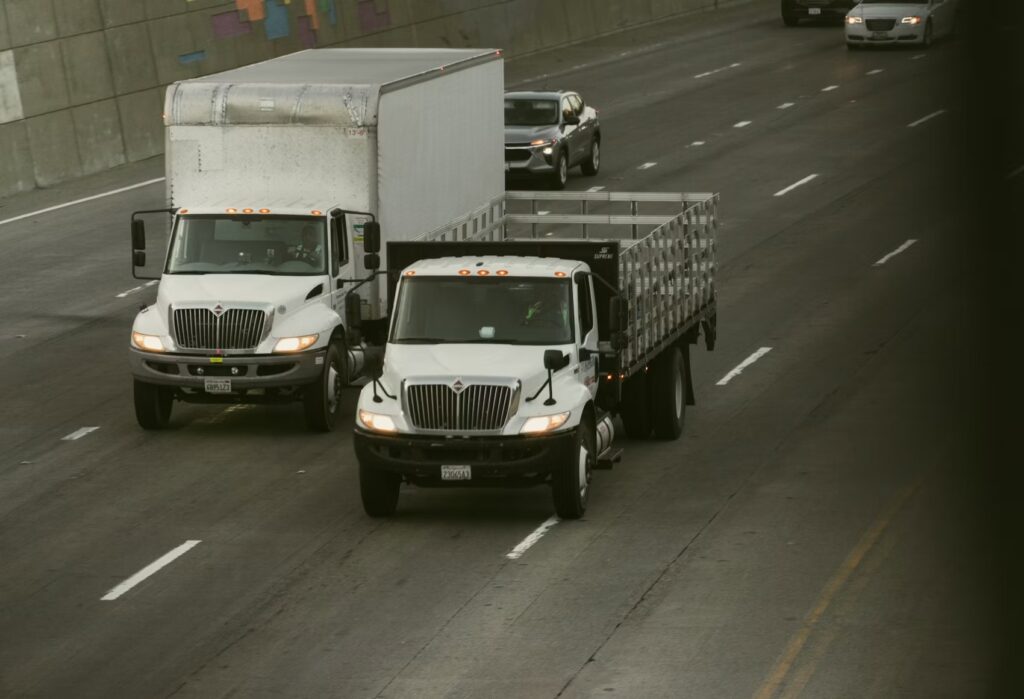
16-Foot vs. 26-Foot Box Truck Insurance in Arizona
If you’re starting a delivery business or expanding your commercial fleet, one of the first decisions you’ll make is what size box truck to purchase.
Two of the most common options are 16-foot and 26-foot box trucks.
Many business owners also wonder whether choosing a larger truck will automatically increase their commercial auto insurance premium.
The answer isn’t always that simple.
While truck size can influence insurance costs, insurers typically evaluate many factors when developing a commercial auto insurance quote.
Understanding these differences can help Arizona business owners choose the vehicle that best fits their operation.
What’s the Difference Between a 16-Foot and 26-Foot Box Truck?
Although every manufacturer is different, 16-foot and 26-foot box trucks are generally designed for different types of work.
A 16-foot box truck is commonly used for:
- Local deliveries
- Small moving jobs
- Contractor equipment
- Retail deliveries
- Appliance transportation
A 26-foot box truck is often used for:
- Household moving
- Furniture delivery
- Commercial freight
- Large appliance delivery
- Higher-volume distribution
Choosing the right vehicle depends more on your business operations than simply selecting the largest truck available.
Does a Larger Box Truck Always Cost More to Insure?
Not necessarily.
While larger trucks may represent different exposures, commercial auto insurance premiums are based on multiple underwriting factors.
Insurance companies commonly consider:
- Vehicle value
- Gross Vehicle Weight Rating (GVWR)
- Business type
- Driver experience
- Radius of operation
- Annual mileage
- Claims history
- Coverage selections
Vehicle size is only one piece of the overall insurance picture.
👉 Learn more about what affects box truck insurance costs in Arizona and the factors insurance companies commonly evaluate.
Why GVWR Matters
Many business owners focus only on the length of the truck.
Insurance companies often pay close attention to the vehicle’s Gross Vehicle Weight Rating (GVWR), which represents the manufacturer’s maximum loaded weight for the vehicle.
GVWR can influence:
- Vehicle classification
- Underwriting eligibility
- Insurance company appetite
- Commercial vehicle requirements
Truck length alone doesn’t tell you the vehicle’s weight classification. For a deeper explanation, learn what GVWR means for box truck insurance and commercial vehicle requirements.

Which Truck Is Better for New Businesses?
There is no universal answer.
A smaller truck may be appropriate for businesses that primarily:
- Make local deliveries
- Transport contractor tools
- Deliver appliances
- Operate within a limited service area
A larger truck may be better suited for businesses handling:
- Household moves
- Furniture delivery
- Larger commercial shipments
- Higher cargo volumes
Rather than purchasing a larger truck “just in case,” many business owners choose the vehicle that best matches their expected operations.
👉 Starting your first business? Learn more about new venture box truck insurance in Arizona and what insurers commonly review for new companies.
Other Factors That May Affect Insurance
Regardless of truck size, insurance companies commonly review:
- Driver qualifications
- Years in business
- Vehicle usage
- Garaging location
- Operating radius
- Prior insurance history
- Requested liability limits
These factors often have as much influence on a commercial auto quote as the vehicle itself.
Choosing Coverage for Your Operation
Every business has different insurance needs.
Many box truck owners consider coverages such as:
- Liability coverage
- Collision coverage
- Comprehensive coverage
- Medical payments
- Uninsured and underinsured motorist coverage
The appropriate coverage depends on your business operations, contractual requirements, and risk tolerance.
👉 Learn more about commercial auto insurance for box trucks in Arizona and the coverages commonly available for business owners.
Common Mistakes When Choosing a Box Truck
Some business owners make purchasing decisions based only on:
- Purchase price
- Vehicle availability
- Cargo capacity
However, they may overlook important considerations such as:
- Insurance requirements
- Driver qualifications
- Business operations
- Future growth
- Contract requirements
Taking time to evaluate both the vehicle and the insurance implications can help support better long-term business decisions.
Final Thoughts
Choosing between a 16-foot and 26-foot box truck involves more than deciding how much cargo you want to carry.
Commercial auto insurance companies evaluate many factors beyond truck size, including your business operations, drivers, coverage selections, and vehicle specifications.
Understanding these factors can help Arizona business owners choose a truck that fits both their operational needs and their long-term business goals.
Need Box Truck Insurance in Arizona?
Shawn Orr Insurance helps Arizona businesses insure:
- 16-foot box trucks
- 26-foot box trucks
- Delivery vehicles
- Contractor trucks
- Commercial fleets
Whether you’re purchasing your first commercial vehicle or expanding an existing fleet, we can help you compare commercial auto insurance options from multiple insurance companies.
Contact us today for a commercial auto insurance quote.

