
Can Employees Drive My Commercial Vehicles in Arizona?
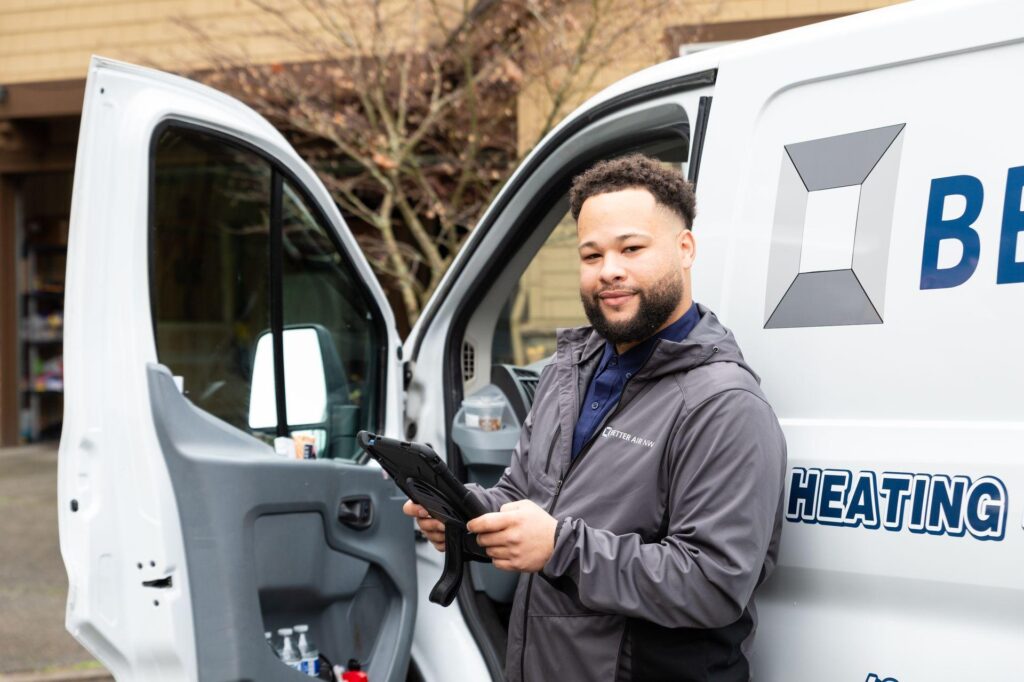
Yes, employees can often drive company-owned vehicles under a commercial auto insurance policy. However, that doesn’t mean every employee is automatically approved to drive every vehicle.
Whether an employee can operate a business vehicle—and how insurance may respond after an accident—depends on the policy, insurance company, driver eligibility requirements, vehicle use, and circumstances of the loss.
For Arizona business owners, this becomes especially important when hiring new employees, adding work trucks, or allowing technicians to take company vehicles home.
Before handing a new employee the keys, it’s important to understand what your commercial auto insurer requires.
Hiring a new employee who will drive a company vehicle? Shawn Orr Insurance helps Arizona businesses review commercial auto options. Request a Quote.
Does Commercial Auto Insurance Cover Employees Driving Company Vehicles?
Commercial auto insurance can provide liability protection for employees operating covered business vehicles with the company’s permission, subject to the policy’s terms and applicable exclusions.
However, insurance companies may have specific requirements regarding who is permitted to drive.
For example, imagine a plumbing contractor in Mesa with three insured service vans.
The contractor hires a new technician and asks the employee to drive one of the vans to a customer’s home.
The van is listed on the company’s commercial auto policy.
Does that automatically mean the new employee is covered?
Not necessarily.
The policy’s definition of an insured, any applicable driver restrictions, and the insurer’s underwriting requirements all matter.
Some insurers require drivers to be disclosed and reviewed. Others may have different rules for occasional or newly hired drivers.
The safest approach is to contact your insurance agent before allowing a new employee to regularly operate a company vehicle.
Do All Employees Need to Be Listed on Commercial Auto Insurance?
Not every commercial auto policy handles drivers the same way.
Many commercial auto insurers request information about employees who regularly operate company vehicles.
Depending on the insurer, this may include:
- Full name
- Date of birth
- Driver’s license number and state
- Driving experience
- Vehicle assignments
- Motor vehicle record
- Applicable license class or endorsements
Some policies or insurers have specific driver schedules, eligibility requirements, or restrictions.
Other policies may provide coverage to certain permissive users without individually scheduling every driver.
An employee not appearing on a driver list does not automatically mean an accident is uninsured.
However, failing to disclose drivers when required can create underwriting, eligibility, or coverage complications.
Business owners should understand the actual requirements of their policy rather than assuming that any licensed employee can drive.
What Happens If an Unlisted Employee Causes an Accident?
This is one of the most important questions business owners should ask.
Suppose an Arizona HVAC company hires a technician who begins driving a company van.
The business owner forgets to notify the insurance agent.
Two weeks later, the employee causes an accident.
Will the insurance company cover it?
The answer depends on the policy and circumstances.
Relevant considerations may include:
- Whether the employee had permission to drive
- Whether the vehicle was a covered auto
- Whether the driver qualified as an insured
- Whether any driver exclusion or restriction applied
- Whether the insurer required the driver to be disclosed
- Whether the vehicle was being used for an approved business activity
- Applicable policy provisions and state law
An unlisted driver is not automatically the same thing as an excluded driver.
An excluded driver may be subject to a specific policy endorsement restricting coverage, while an unlisted driver may simply be someone whose information was not included in the underwriting records.
These distinctions can have major consequences after an accident.
Rather than trying to determine coverage after a loss, business owners should establish a process for reporting new drivers.
Can an Employee With Tickets or Accidents Drive a Company Vehicle?
Possibly, but driving history can affect whether an insurance company considers the employee acceptable.
Commercial auto insurers often review motor vehicle records when evaluating drivers.
They may consider:
- At-fault accidents
- Speeding violations
- Reckless driving
- DUI convictions
- License suspensions
- Recent serious traffic violations
- Driving experience
- The type of vehicle being operated
Insurance companies have different driver eligibility guidelines.
A driver accepted by one insurer may be declined by another.
For example, an electrical contractor might hire an experienced electrician who has several recent traffic violations.
The employee may be qualified to perform electrical work but still present an unacceptable driving risk to the company’s commercial auto insurer.
Before assigning that employee a service vehicle, the contractor should confirm driver eligibility with the insurance company.
Can Employees Take Company Vehicles Home?
Many Arizona contractors allow employees to take company vehicles home after work.
This is common for technicians who begin their day by traveling directly to customer locations.
Examples include:
- HVAC service technicians
- Plumbers
- Electricians
- Restoration contractors
- Maintenance employees
- Other mobile service businesses
However, take-home vehicles introduce additional insurance considerations.
The insurance company may want to know:
- Where the vehicle is normally kept overnight
- Whether the employee is permitted to use it personally
- Whether family members may drive it
- Whether the vehicle travels outside its normal service area
- Whether the employee uses it on weekends
- Whether the vehicle’s garaging location has changed
Taking a company vehicle home does not automatically mean all personal driving is covered.
The business should explain the arrangement to its insurance agent and understand any applicable restrictions.
Can Employees Use Company Vehicles for Personal Errands?
Sometimes, depending on the policy and the business’s rules.
For example, an employee might stop at a grocery store while driving home in a company pickup.
Whether the vehicle’s use is permitted under the insurance arrangement depends on the policy and circumstances.
Business owners should establish clear rules regarding personal use.
Those rules might address:
- Whether personal errands are permitted
- Whether employees can drive vehicles on weekends
- Whether spouses or family members can operate company vehicles
- Whether vehicles can be used outside Arizona
- Whether unauthorized passengers are permitted
A written company vehicle policy can help establish expectations, but it does not replace the terms of the insurance contract.
What If an Employee Uses Their Own Vehicle for Business?
This is a different exposure from an employee driving a company-owned vehicle.
Suppose a contractor asks an employee to use their personal pickup to pick up materials from a supplier.
The employee causes an accident while performing that errand.
The vehicle belongs to the employee, not the business.
Depending on the circumstances, the business may still face liability arising from the employee’s actions.
This is one reason companies should evaluate hired and non-owned auto liability coverage.
Non-owned auto liability may help protect the business against certain covered liability claims involving vehicles it does not own.
It generally should not be assumed to provide physical damage coverage for the employee’s personally owned vehicle.
Businesses that frequently send employees on errands using personal vehicles should discuss this exposure with their insurance agent.
Can an Employee Drive a Company Vehicle Without a CDL?
It depends on the vehicle and operation.
Many ordinary contractor pickups, cargo vans, and service vehicles do not require a commercial driver’s license.
However, certain heavier vehicles, vehicle combinations, passenger transportation operations, and hazardous-material activities may require specific licensing.
The appropriate license can depend on:
- Gross vehicle weight rating (GVWR)
- Gross combination weight rating (GCWR)
- Vehicle configuration
- Passenger capacity
- Hazardous-material transportation
- Applicable federal and state requirements
A standard driver’s license may be sufficient for some commercial vehicles but not others.
Business owners should verify the licensing requirements for the specific vehicle and operation before assigning a driver.
What If an Employee Drives a Commercial Vehicle Without Permission?
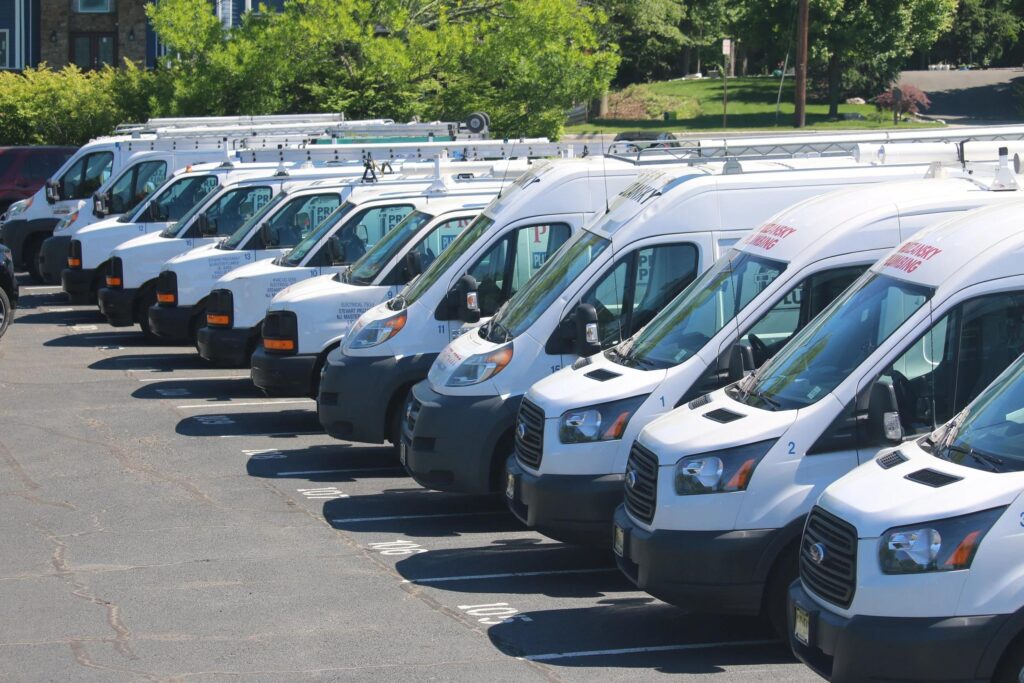
Unauthorized vehicle use can create complicated insurance questions.
For example, an employee may take a company truck after hours despite being specifically prohibited from doing so.
Whether coverage applies can depend on the policy language, facts of the accident, permission, and applicable law.
Business owners should not assume that every unauthorized use is covered—or that every unauthorized use automatically eliminates coverage.
Clear written vehicle-use policies, key controls, and employee communication can help reduce this exposure.
Does Adding an Employee Increase Commercial Auto Insurance Costs?
It can.
Insurance companies may consider the number of drivers and their individual driving histories when determining commercial auto premiums.
Adding an experienced driver with a clean record may have a different underwriting impact than adding a driver with recent accidents or serious violations.
The effect on premium also depends on the insurer, vehicle, business operations, and existing policy.
In some situations, adding a driver may affect eligibility rather than simply increasing the price.
That’s why contractors should consider insurance requirements when hiring employees whose duties include driving.
What Should Arizona Business Owners Do Before Letting an Employee Drive?
Before giving an employee access to a commercial vehicle, consider the following steps.
1. Confirm the employee has the appropriate driver’s license.
Make sure the employee is legally qualified to operate the assigned vehicle.
2. Review the employee’s driving history.
Follow appropriate procedures for obtaining and evaluating motor vehicle records.
3. Contact your insurance agent.
Determine whether the insurer requires the driver to be disclosed, reviewed, approved, or specifically scheduled.
4. Confirm the employee’s intended vehicle use.
Explain whether the employee will drive locally, travel long distances, tow trailers, or take the vehicle home.
5. Establish vehicle-use rules.
Document expectations regarding personal use, passengers, accidents, maintenance, and reporting.
6. Update the insurance arrangement as the business changes.
New drivers, vehicles, garaging locations, and operations can create new insurance considerations.
These steps can help businesses address driver eligibility before an accident occurs.
Commercial Auto Insurance for Arizona Contractors With Employees
For growing contractors, employee driving exposures often become more complicated as the business expands.
A one-person electrical company may start with a single pickup.
Over time, the owner might hire two technicians, purchase additional service vans, and allow employees to take those vehicles home.
The insurance program should be reviewed as the operation changes.
Our guide to commercial auto insurance for contractors in Arizona explains additional considerations involving work trucks, service vans, trailers, business use, and contractor insurance requirements.
Frequently Asked Questions
Are employees automatically covered under my commercial auto insurance?
Not necessarily. Employees may qualify as insured drivers under certain commercial auto policies, but coverage depends on the policy, permission, driver restrictions, and circumstances of the accident.
Does every employee need to be added to my commercial auto policy?
Not always. Insurer requirements vary. Some require drivers to be disclosed or approved, while others may handle permissive drivers differently.
What happens if I forget to add a new driver?
Coverage is not automatically denied simply because a driver was unlisted. However, failing to follow insurer requirements can create problems. Contact your agent promptly to review the situation.
Can an employee drive my company truck just once?
Possibly. Occasional driving may be permitted under some policies, but applicable driver restrictions and insurer requirements should be checked before allowing the employee to operate the vehicle.
Can my employee’s spouse drive the company vehicle?
Do not assume so. Family-member driving should be discussed with the insurer, particularly when employees take company vehicles home.
Can my employee drive a company vehicle outside Arizona?
Possibly. The answer depends on the policy, permitted operations, driver qualifications, and applicable requirements. Interstate operations may introduce additional considerations for some commercial vehicles.
The Bottom Line
Employees can often drive company vehicles under commercial auto insurance, but business owners should never assume every employee is automatically eligible.
Driver disclosures, driving history, permission, vehicle use, and policy restrictions can all affect how the insurance arrangement works.
For Arizona contractors and other small businesses, reviewing these issues before assigning a company vehicle can help prevent avoidable insurance complications.
Need Commercial Auto Insurance for Your Arizona Business?
Shawn Orr Insurance helps Arizona business owners evaluate commercial auto insurance for work trucks, service vans, pickups, and other eligible business vehicles.
Whether you’re hiring your first employee, adding drivers to an existing policy, or expanding your fleet, we can help you review available commercial auto insurance options.
Request a commercial auto insurance quote from Shawn Orr Insurance today.

